
Anatomy of a Structural Failure: Lessons from the 2004 SAI Building Collapse in Divisoria
Back in July 2004, the nine-story SAI Building at the corner of Padre Rada and Juan Luna Streets in Divisoria noticeably tilted for days before crashing straight across the street at 4:30 PM. Thanks to a timely evacuation by Manila authorities, there were zero fatalities—but the engineering failures behind the rubble left a massive lesson for the industry. What caused a relatively new structure to sink, lean, and completely give way? Read our full structural breakdown to learn about the fatal combination of "floating" pile foundations, differential settlement in Manila's soft soil, and overloading that brought the SAI Building down.
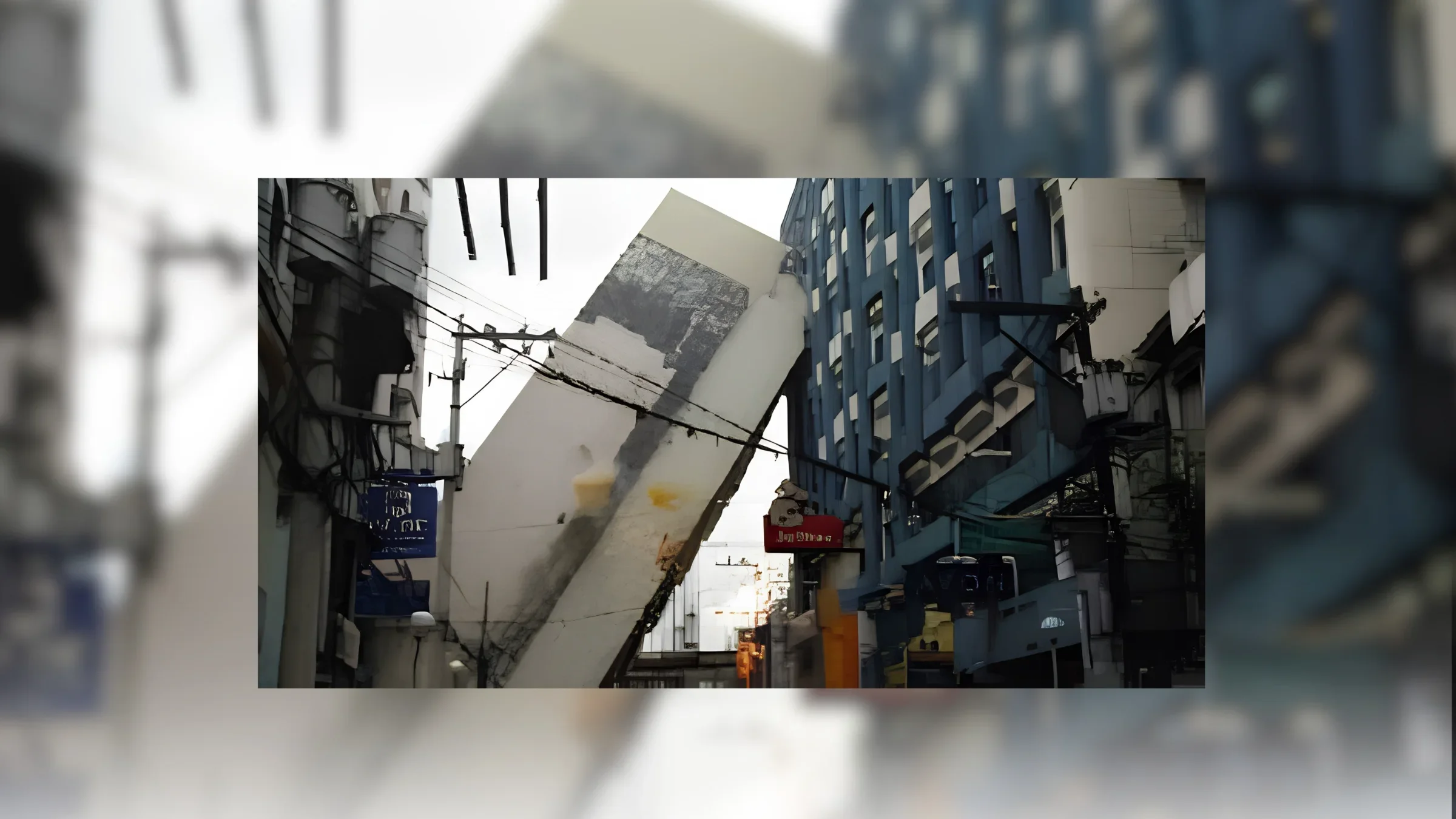
In the bustling commercial district of Divisoria, buildings are expected to withstand decades of heavy foot traffic, dense merchandise storage, and the test of time. Yet on July 23, 2004, a mere five-year-old structure met a catastrophic end in broad daylight.
The nine-story commercial-residential SAI Building, standing at the corner of Padre Rada and Juan Luna Streets in Binondo, Manila, completely gave way and crashed onto the street below at around 4:30 p.m. While the visual of a high-rise toppling over in one of Manila’s busiest districts sounds like a recipe for mass casualties, the disaster resulted in zero fatalities.
For civil engineers, the collapse of the SAI Building remains one of the most critical local case studies in geotechnical failure, structural ethics, and the life-saving value of timely disaster response.
The Timeline: A Disaster in Slow Motion
Unlike sudden structural failures triggered by major earthquakes, the SAI Building gave clear warning signs days before its demise. Occupants and passersby had already noticed the five-year-old structure noticeably tilting toward another building across the street.
On the morning of July 23, 2004, the situation reached a critical point:
10:30 AM: Witnesses and security personnel on the ground floor heard a loud, booming crack—Initially mistaken for an exploding electrical transformer—as the building visibly sank and tilted further on its side.
12:00 PM: Recognizing the imminent danger of a progressive collapse, Manila city authorities and police swiftly stepped in. They ordered a mandatory evacuation of the SAI Building and adjacent establishments, cordoning off the intersection of Padre Rada and Juan Luna Streets from vendors, shoppers, and motorists.
3:00 PM: The building’s tilt had worsened dramatically, leaning roughly four feet to its right.
4:30 PM: The structure finally lost its battle with gravity. It plunged face-first across the street, heavily damaging the nearby Italy Marketing Building and burying the evacuated roadway in concrete rubble.
Because authorities acted decisively hours before the final failure, nobody was trapped inside or crushed on the streets below.
The Structural Autopsy: Why Did a 5-Year-Old Building Fail?
A reinforced concrete building does not simply topple over after five years of service without severe underlying defects. Following investigations by the Department of Public Works and Highways (DPWH), the Manila Building Office, and independent structural experts, the collapse was traced back to a fatal combination of geotechnical and structural negligence:
1. Faulty Pile Foundation and Differential Settlement
The coastal and riverside districts of Manila—including Binondo and Divisoria—are notorious for having soft, highly compressible silty clay soil profiles. To support a nine-story structure in this terrain, deep foundations must be driven down to a competent bearing stratum or bedrock.
Investigations revealed that the precast concrete piles of the SAI Building were not driven to refusal. Instead, the insufficient piles were left essentially "floating" in soft soil layers. This led to severe differential settlement—one side of the foundation sank much faster than the other, particularly at the corner of Padre Rada and Juan Luna Streets, inducing the fatal tilt and distorting the building's load path.
2. Substandard Construction Materials
Post-collapse testing of the debris showed that the concrete compressive strength and steel reinforcement detailing failed to meet structural standards. When the differential settlement shifted the building's center of gravity, the substandard structural frame lacked the ductility and strength to resist the amplified bending moments and shear stresses.
3. Overloading and Unchecked Occupancy Changes
In commercial hubs like Divisoria, residential spaces are frequently converted into heavy storage warehouses for textile and retail goods. Converting floor spaces from residential to commercial/storage usage drastically increases the actual live load. Without proper structural retrofitting, this added weight severely overstressed the corner columns, accelerating the failure of the already compromised foundation.
(Note: While initial claims attempted to blame ground vibrations from pile-driving activities at a nearby construction site, fact-finding committees concluded that neighboring works would not have toppled the building had its own foundation and materials complied with structural codes).
Key Takeaways for Future and Practicing Civil Engineers
The 2004 SAI Building collapse serves as a permanent reminder of why the National Building Code of the Philippines (PD 1096) and the National Structural Code of the Philippines (NSCP) exist.
Never compromise on geotechnical investigations: A superstructure is only as strong as the soil and foundation supporting it. Skipping proper borehole testing or cutting corners during pile-driving operations is a guaranteed formula for settlement failure.
Accountability in construction supervision: Design plans mean nothing if field inspectors and project engineers allow contractors to use substandard concrete mixes or terminate pile driving prematurely.
Respect load limits: Engineers and building administrators must strictly monitor changes in building occupancy. A residential slab is not designed to carry warehouse loads.
When civil engineers sign and seal plans or supervise a site, they hold public safety in their hands. While quick-thinking city authorities saved lives in Divisoria that afternoon in 2004, proper engineering ethics and strict code compliance would have prevented the building from falling in the first place.
How was the read?
Let us know what you think.
Loading reactions…