
Why Are Philippine Roads Always Being Dug Up? Understanding the Engineering Behind Repeated Road Excavations
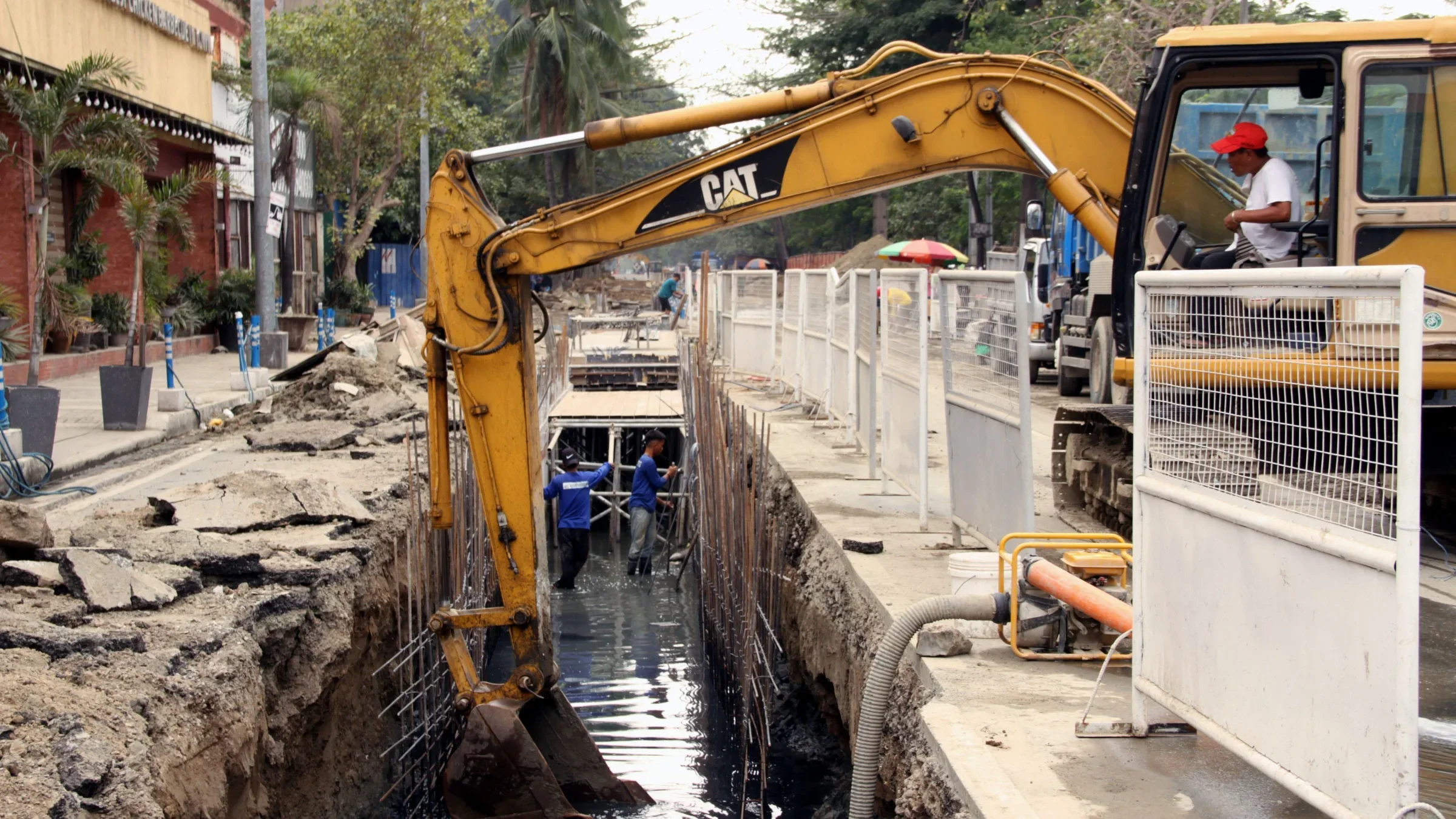
It is not uncommon to see road excavations in many cities and communities throughout the Philippines. New roads are often opened up for the installation of new water pipelines, improved drainage, telecommunications and other utilities. However, repeated road excavations cause concern about the coordination of the projects, planning of the construction as well as the quality of the road repair.
Introduction
Imagine passing through a road that was recently repaired. The pavement is smooth, the road markings are fresh, and traffic is finally moving normally. But after a few weeks or months, construction barriers appear again. Workers begin excavating the same section, heavy equipment occupies part of the road, and motorists are once again forced to deal with traffic congestion.
For many Filipinos, this situation is frustratingly familiar. It raises a reasonable question: Why do we keep digging up roads that were just completed?
The answer is not always poor construction or government inefficiency. Roads are part of a much larger infrastructure system. Beneath and alongside the pavement are water pipelines, drainage facilities, electrical conduits, and telecommunications cables. These systems require installation, maintenance, repair, and expansion as communities grow and existing facilities deteriorate.
However, repeated excavation can also expose weaknesses in how infrastructure projects are planned and coordinated. When different agencies and utility providers work independently, the same road may be opened several times for activities that could have been scheduled together.
Understanding this issue requires looking beyond the road surface and examining the engineering systems beneath it.
There's More Beneath the Road Than We See
When we look at a finished road, we usually see only its pavement, sidewalks, and road markings. What we rarely consider is the network of infrastructure beneath and alongside it.
Road corridors accommodate several underground utilities that support everyday activities. These include water supply pipelines, sewer lines, stormwater drainage systems, electrical conduits, and telecommunications cables.
Each facility serves a different purpose and may be managed by a different organization. Water service providers maintain pipelines, electric utilities handle power distribution, and telecommunications companies install and maintain communication networks. Government agencies and local government units, meanwhile, implement road rehabilitation and drainage projects.
Because these facilities occupy the same limited space, excavation becomes necessary whenever a utility needs to be installed, repaired, or replaced.
For example, a local government may finish rehabilitating a road, but a water provider may later need to replace an underground pipeline. To access the damaged pipe, workers must excavate the pavement, complete the repair, and restore the affected section.
This means that a road can be newly constructed and still require excavation, not necessarily because the pavement itself is defective, but because the infrastructure underneath it needs attention.
Different Agencies and Utility Companies Have Different Schedules
One of the major challenges in infrastructure development is coordinating the activities of different agencies and utility providers.
A road rehabilitation project may be handled by the Department of Public Works and Highways (DPWH) or a local government unit (LGU), while underground utility works may be scheduled separately by water concessionaires, electric distribution utilities, and telecommunications companies.
Each organization has its own project plans, budgets, contractors, priorities, and schedules. Without proper coordination, their construction activities may happen one after another instead of being completed together.
Imagine this situation: a road is scheduled for rehabilitation, but the utility providers are not consulted before construction begins. The road is paved and reopened to traffic. A few months later, a telecommunications company needs to install cables, followed by a water provider that needs to repair a pipeline. The same road section is then excavated multiple times.
This is where project coordination becomes important. Before road rehabilitation begins, concerned agencies and utility providers should identify which underground facilities may need installation, relocation, or repair.
The DPWH's Department Order No. 245, Series of 2024, specifically requires utility agencies and companies applying for excavation permits on national roads to coordinate proposed utility projects with the DPWH's regular infrastructure program and with other utility providers whose facilities may be affected.
This demonstrates that coordination is not merely a suggestion. It is part of the official process for utility excavation on national roads.
Aging Underground Utilities Still Need Maintenance and Replacement
Not all road excavation happens because of poor planning. Some projects are necessary because underground infrastructure deteriorates over time.
Water pipelines, drainage systems, and other utility facilities are exposed to different environmental and operating conditions. Soil movement, corrosion, pressure changes, material deterioration, and repeated loading can affect their condition and performance.
For instance, a damaged water pipeline may develop leaks that require workers to excavate the road to locate and repair the affected section. Drainage pipes may also need rehabilitation when they become damaged, obstructed, or insufficient for the amount of water they are expected to carry.
In some cases, older utility facilities must be replaced or upgraded to accommodate increasing demand from residential, commercial, and industrial developments.
These repairs may inconvenience motorists, but ignoring damaged underground infrastructure can lead to more serious consequences. Water leaks can result in service interruptions and water losses, while damaged drainage facilities can affect stormwater flow and contribute to localized flooding.
The important thing to understand is that excavation is sometimes necessary to maintain the infrastructure that supports the road and the surrounding community.
Poor Road Restoration Can Lead to More Problems
Another reason road excavation becomes a public concern is the condition of the road after construction is completed.
After underground work, the excavated area must be properly backfilled, compacted, and restored. These activities are important because the pavement needs a stable foundation to withstand repeated vehicle loading.
If the backfill material is not properly placed and compacted, the soil may settle over time. This can cause depressions or uneven surfaces. Improper pavement restoration may also result in cracks, weak joints, and differences in elevation between the original pavement and the repaired section.
In civil engineering, compaction is essential because it improves the density and stability of soil or backfill materials. Proper compaction helps reduce excessive settlement and provides adequate support for the pavement above it.
The DPWH has recognized the importance of controlling utility excavations and ensuring proper restoration. Its Department Order No. 245, Series of 2024, establishes requirements and responsibilities for excavation permits, coordination, and restoration works on national roads.
This means that road excavation is not finished simply because the underground pipe or cable has been installed. Restoring the road to an acceptable condition is also an essential part of the work.
The "Dig Once" Approach: Can We Avoid Digging the Same Road Repeatedly?
One approach that can help address repeated road excavation is the Dig Once Policy.
The concept is simple: whenever a road is scheduled for construction or rehabilitation, agencies and utility providers should coordinate their plans so that necessary underground facilities can be installed or prepared during the same construction period whenever practical.
Instead of excavating the same road several times for separate projects, the goal is to complete related infrastructure works together.
For example, before a road is paved, concerned agencies could coordinate the installation of telecommunications conduits and other planned underground facilities. This would reduce the likelihood of reopening the finished pavement for work that could have been anticipated.
The Philippines has incorporated this approach into the Implementing Rules and Regulations of Republic Act No. 12234, or the Konektadong Pinoy Act. Its Dig Once Policy provides for broadband conduits to be deployed alongside roadworks, pipe-laying, and other infrastructure development as far as possible. It also calls for coordination among government agencies, local government units, telecommunications providers, and other stakeholders.
However, the policy does not mean every underground utility project will automatically be included in one excavation. Its specific provisions focus on coordinating passive telecommunications infrastructure with other civil works. Emergency repairs and unforeseen infrastructure problems may still require separate excavation.
Nevertheless, the approach offers an important direction for infrastructure planning: coordinate what can be coordinated before the road is finished.
Better Planning, Better Roads: What Can Be Improved?
Reducing repeated excavation requires more than temporarily stopping construction activities. It requires a better system for planning, coordinating, and monitoring infrastructure projects.
One important improvement is conducting utility coordination before road rehabilitation begins. Engineers and project planners should consult concerned utility providers to determine whether existing facilities need repair, relocation, or upgrading. This allows underground work to be considered before the final pavement is constructed.
Another improvement is maintaining accurate records of underground utilities. Updated utility maps can help engineers identify the location of existing pipelines, conduits, and drainage facilities before excavation. This can also reduce the risk of accidentally damaging other underground infrastructure during construction.
Proper construction and restoration practices must also be enforced. Excavated areas should undergo appropriate backfilling and compaction, followed by pavement restoration and inspection. The quality of these activities directly affects the condition and performance of the road after construction.
Finally, national agencies, LGUs, and utility providers need to share project information and coordinate their schedules. A road rehabilitation project should not be treated as an isolated activity when several other infrastructure systems depend on the same space.
These improvements cannot eliminate every road excavation, but they can help minimize unnecessary repeat work and ensure that construction activities provide better long-term value.
Conclusion: The Problem Is Not Just the Digging, It's How We Plan It
Philippine roads are excavated for several reasons. Underground utilities need installation and maintenance, aging pipelines require replacement, and expanding communities create new infrastructure demands. These activities are necessary to keep essential services operating.
However, when recently completed roads are repeatedly opened for projects that could have been coordinated earlier, the issue becomes one of infrastructure planning and project management.
For civil engineers, this highlights an important lesson: road construction should never focus on the pavement alone. It must also consider the utilities, drainage facilities, and other infrastructure beneath and alongside the road.
Through better coordination among agencies and utility providers, accurate underground utility records, proper restoration practices, and the implementation of the Dig Once approach, unnecessary excavation can be reduced.
A good road project is not just about building a smooth surface. It is about planning the entire infrastructure system so that the road does not have to be opened again and again for work that could have been anticipated.
References
Department of Public Works and Highways. (2024). Department Order No. 245, Series of 2024: Comprehensive Policy on Diggings/Excavations by Utility Agencies/Companies on National Roads. https://www.dpwh.gov.ph/dpwh/sites/default/files/issuances/do_245_s2024r.pdf
Republic of the Philippines. (2025). Implementing Rules and Regulations of Republic Act No. 12234 (Konektadong Pinoy Act). https://lawphil.net/statutes/repacts/ra2025/irr_12234_2025.html
Republic of the Philippines. (2025). Republic Act No. 12234: Konektadong Pinoy Act. https://elibrary.judiciary.gov.ph/thebookshelf//showdocs/2/99600
Department of Public Works and Highways. (2011). Department Order No. 26, Series of 2011: Policy on Diggings/Excavations by Private and Public Utilities on National Roads. https://elibrary.judiciary.gov.ph/thebookshelf/showdocs/10/57427
How was the read?
Let us know what you think.
Loading reactions…